Power Tool Battery Recycling Programs: Verified Comparison
By Marco Silva • 10th Dec
As someone who's spent decades analyzing how tool choices impact worker fatigue and productivity, I've learned that power tool battery recycling comparison isn't just about environmental responsibility, it's a critical component of your tool ecosystem health. When you understand which eco-friendly battery programs offer genuine value, you're not just protecting the planet; you're safeguarding your own workflow efficiency. Fatigue is a hidden cost that erodes quality and speed, and that extends beyond physical strain to include the drain of poor resource management. Let's examine which recycling options deliver real value for serious DIYers and professionals who understand that reach matters more than specs.
Understanding Power Tool Battery Recycling Programs
Why should professionals care about battery recycling programs?
Most tradespeople I've worked with initially see battery recycling as a "nice-to-have" rather than essential, but that mindset costs them. Consider this: improper disposal creates supply chain strain that eventually drives up battery replacement costs. More importantly, when your battery ecosystem lacks sustainability, you're constantly managing transitions between partially depleted and new batteries, creating inconsistent performance that fatigues both you and your tools. This isn't theoretical: I once watched an apprentice rub his wrist after ceiling work; the problem wasn't just the drill's weight, but the inconsistent power delivery from aging batteries that forced him to overcompensate. By implementing proper battery management and recycling protocols, you reduce physical and operational fatigue simultaneously.
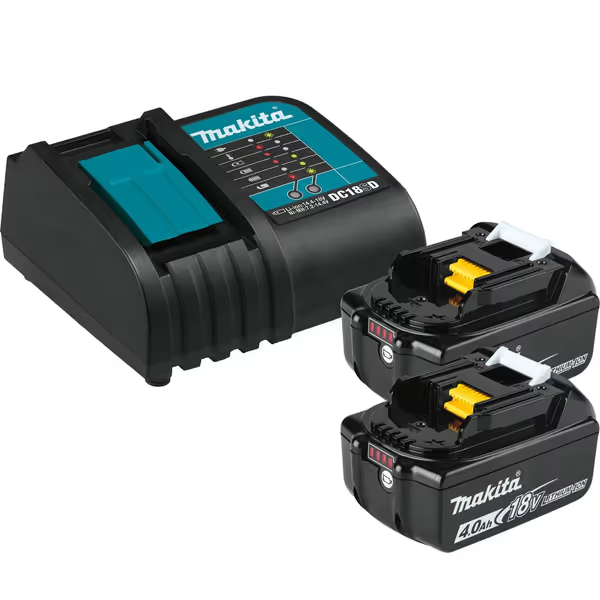
Makita 18V LXT Battery & Charger Kit
Extended runtime for 18V and 36V LXT tools, even in extreme cold.
$149.59
Charge Time90 minutes (4.0Ah)
Charge Time90 minutes (4.0Ah)
Pros
35% more runtime than 3.0Ah batteries.
Works in extreme cold (-4°F).
Protects against overload, discharge, and overheat.
Cons
Charger speed received mixed feedback.
Battery life feedback is varied among users.
Customers find the power tool set to be genuine Makita products that work well and offer good value for money. However, the battery life receives mixed feedback, with several customers noting that the charger is slow.
Customers find the power tool set to be genuine Makita products that work well and offer good value for money. However, the battery life receives mixed feedback, with several customers noting that the charger is slow.
What are the main types of power tool battery recycling programs?
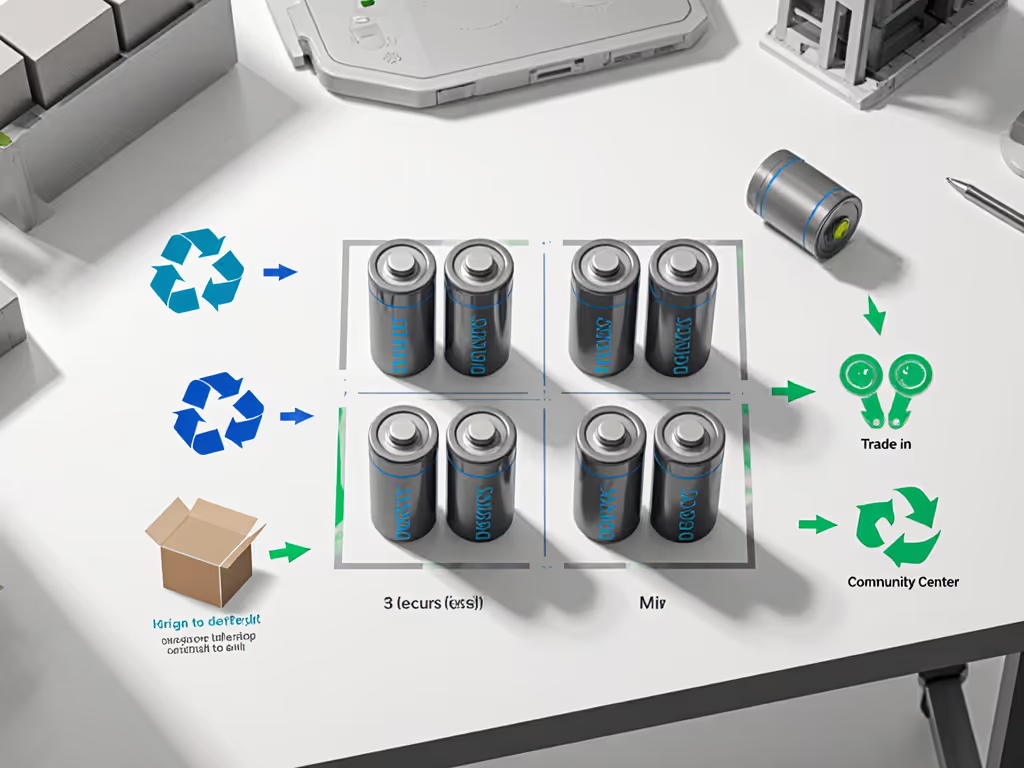
Power tool battery recycling follows three primary models, each with distinct advantages:
Retail Drop-Off Programs
- Home Depot and Lowe's accept batteries through Call2Recycle
- Typically limited to rechargeable batteries under 11 pounds
- No compensation for returned batteries
- Convenient locations (over 2,000 nationwide)
Manufacturer Take-Back Programs
- DeWalt's trade-in program offers discounts on new batteries
- Makita's recycling network includes authorized service centers
- Some programs accept non-working batteries for material recovery
- Often provide downloadable shipping labels for mail-in options
Community Collection Events
- Municipal hazardous waste collection days
- Trade association recycling initiatives
- Seasonal events focused on specific materials
- May accept larger battery formats that retailers won't
Which programs offer the most eco-friendly processing?
Not all "green" programs deliver equal environmental benefits. For buyers prioritizing eco credentials, compare sustainable cordless drills before choosing a platform. When evaluating sustainable tool recycling options, look for these evidence-based metrics:
- Material Recovery Rate: Top programs recover 90-95% of valuable components (like lithium, cobalt, nickel)
- Closed-Loop Processing: Systems that return materials directly to new battery production
- Transportation Efficiency: Programs with local collection points reduce carbon footprint
- Third-Party Verification: Look for certifications from organizations like PRBA (The Rechargeable Battery Association)
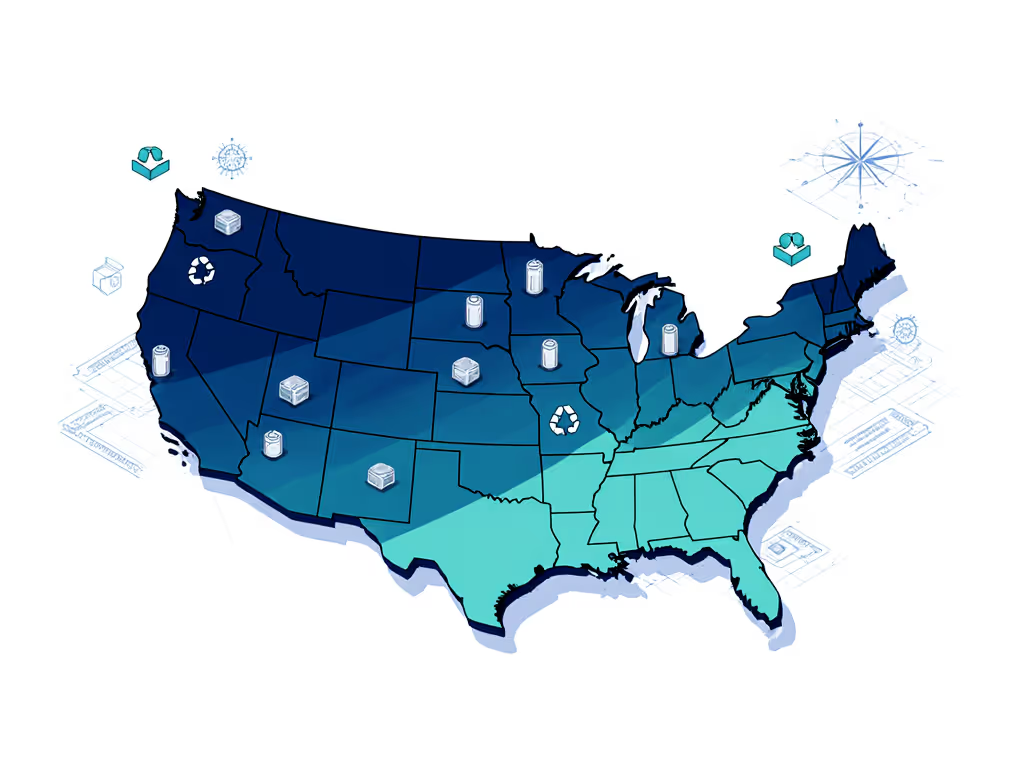
According to recent industry tracking, Call2Recycle (partnered with DeWalt and others) has processed over 144 million pounds of batteries since 1996. Vermont leads U.S. participation with the highest per-capita recycling rate, followed by Delaware and Tennessee (evidence that regional programs can drive meaningful change when properly implemented).
What happens to my drill batteries after I drop them off?
Quality battery take-back programs follow a rigorous process that transforms waste into resources:
- Safe Discharge: Batteries undergo controlled discharge to eliminate fire risk during handling
- Mechanical Processing: Shredding in controlled environments with fire suppression systems
- Material Separation: Advanced sorting separates metals, plastics, and electrolytes
- Hydrometallurgical Recovery: Chemical processes extract valuable materials at battery-grade purity
- Reintegration: Recovered materials feed into new battery production
This closed-loop system ensures materials like lithium, cobalt, and nickel re-enter the manufacturing stream. Curious about what's next in chemistries and recyclability? See solid-state and next-gen batteries for practical implications. The best programs achieve 80-95% material recovery rates (meaning your old Makita battery could literally power someone else's new tool).
Practical Implementation for Professionals
How do I find power tool battery recycling centers near me?
Finding locations requires strategy beyond a simple "near me" search:
- Check manufacturer websites for authorized recycling centers
- Look for visual cues at retail partners, as Home Depot and Lowe's typically have kiosks near tool returns
- Ask at local hazardous waste facilities, especially in municipalities with advanced recycling programs
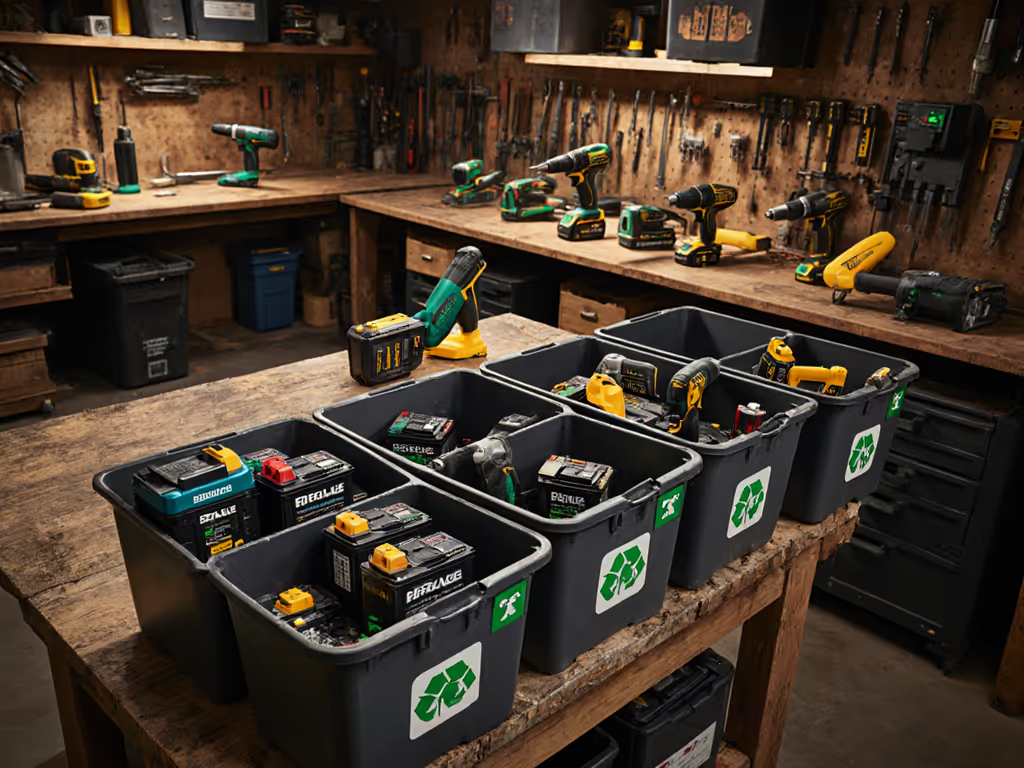
When planning your drill battery disposal strategy, consider organizing batteries by chemistry type (Ni-Cad, Ni-MH, Li-ion) as some centers accept only specific formats. If you’re replacing packs at the same time, see our cordless drill battery kits guide to match capacity and charger speed. Keep a dedicated container in your workshop, and set up the process so proper disposal becomes part of your workflow.
Can I get value back from old batteries?
Some programs offer tangible returns:
- Trade-In Discounts: DeWalt's program provides $5-$15 credits toward new batteries
- Material Value: Higher-grade professional batteries (like Makita's LXT) contain more valuable components
- Tax Benefits: Some municipalities offer small business recycling incentives
- Workshop Efficiency: Removing dead batteries reduces management overhead
The real value, however, is in people-first metrics: the time saved not managing inconsistent batteries, the reduced physical strain from predictable performance, and the environmental stewardship that boosts your professional reputation.
Which manufacturer programs deliver the most value?
After evaluating multiple recyclable battery systems, here's my verified comparison: For brand platform decisions, read our drill ecosystem comparison covering DeWalt, Milwaukee, Makita, and Ryobi.
DeWalt
- Accepts all major rechargeable battery types
- Trade-in program offers immediate discounts
- 65,000+ collection points nationwide
- Strong partnership with Call2Recycle
- Best for: Contractors needing volume processing
Makita
- Integrated with service centers for convenient returns
- Materials fed back into their extensive 325+ tool ecosystem
- Focus on lithium-ion recycling efficiency
- Strong closed-loop commitment
- Best for: Users invested in their 18V platform
Generics
- Call2Recycle accepts batteries from any manufacturer
- No financial incentives
- Widest accessibility
- Best for: Mixed-brand users or those outside major ecosystems
What special considerations exist for lithium-ion batteries?
Lithium-ion demands safety-forward handling:
- Never dispose in regular trash (they contain flammable materials)
- Tape terminals before transport to prevent short-circuiting
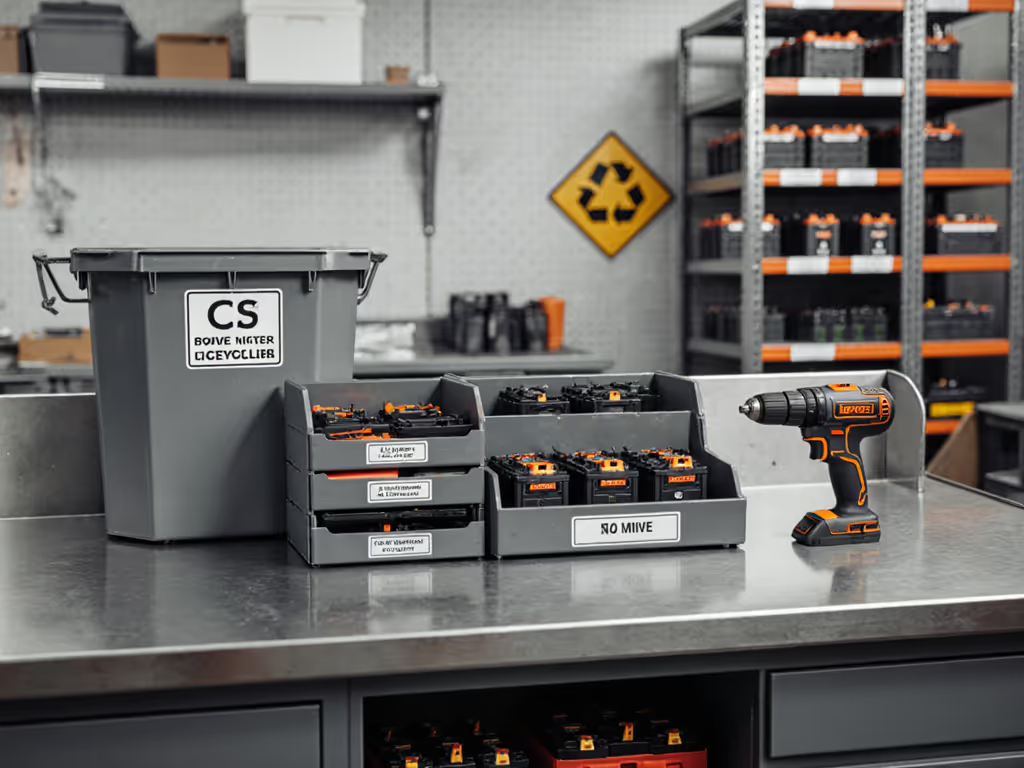
- Store in steel containers away from combustibles in your workshop
- Check local regulations as some municipalities have specific requirements
These precautions aren't just about compliance; they're about preventing the kind of equipment failures that lead to fatigue-inducing workflow disruptions. When your battery take-back programs handle lithium-ion responsibly, you maintain consistent power delivery across your entire toolset. To keep packs healthy in extreme weather, use our battery temperature care guide.
Actionable Implementation
How can I make battery recycling part of my regular workflow?
The most successful professionals implement these clear and calm protocols:
- Dedicated Collection Station: Place a metal container labeled with disposal instructions in your workshop
- Scheduled Recycling: Every time you purchase new batteries, schedule recycling for old ones
- Team Training: Make battery recycling part of your onboarding process
- System Tracking: Maintain a log of battery cycles and recycling dates
Consider investing in platforms like Makita's 18V LXT system with their Star Protection Computer Controls, which helps maximize battery lifespan before recycling becomes necessary. Longer-lasting batteries mean fewer replacements and more consistent performance (critical for reducing physical and operational fatigue).
What's my next step for responsible battery management?
Take this actionable step today:
- Gather all dead or underperforming batteries
- Choose the nearest location (prioritizing retail partners for convenience)
- Make your recycling drop-off your next errand
This simple workflow takes less than 15 minutes but establishes a sustainable practice that protects your investment, reduces waste, and contributes to the health of your tool ecosystem. When you manage fatigue at every level (from physical strain to resource depletion), you create conditions for consistent, high-quality work that lasts all shift. Remember, the most sustainable tool is one that performs reliably from first charge to final recycling.
Related Articles