Predict Drill Failures: AI Diagnostics Made Simple
By Casey Bennett • 12th Dec
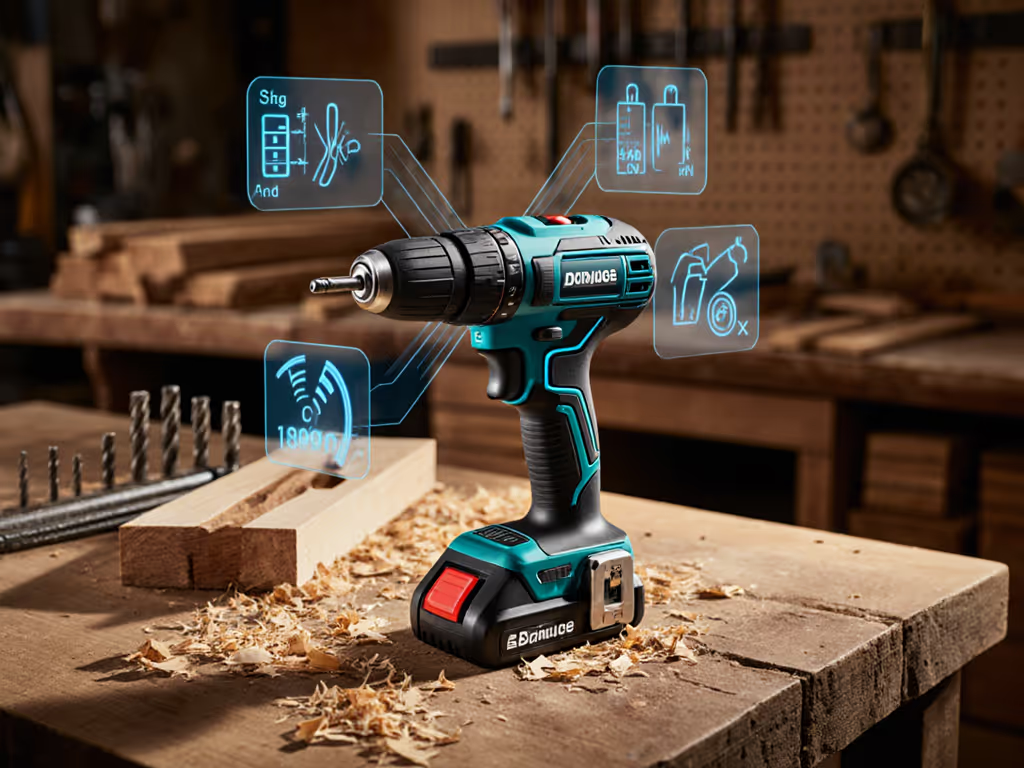
If you've ever been frustrated by a drill that suddenly loses power mid-project or wondered why your tool keeps overheating when others seem fine, you're not alone. AI drill diagnostics and predictive drill maintenance are transforming how both DIYers and professionals stay ahead of tool problems before they derail projects. These smart technologies take the guesswork out of tool care, helping you avoid frustrating breakdowns and keep your projects moving forward (without requiring an engineering degree to understand or use).
Why AI Diagnostics Matter for Everyday Drill Users
Let's be honest: most of us don't think about our drill's "health" until something goes wrong. That sudden loss of power when you're installing deck boards, or the mysterious overheating when driving long screws into hardwood... these aren't just annoyances. They're symptoms of underlying issues that could have been predicted with the right information.
Traditional "reactive maintenance" (fixing tools after they break) wastes your most valuable resource: time. Waiting for a service call while your deck project sits unfinished costs more than just money; it erodes your confidence in tackling the next project.
Today's smart cordless platforms are changing this with embedded sensors that track performance data you can actually use. For a tour of how AI features translate into predictive maintenance and runtime insights, see our AI power drills guide. These tools monitor things like:
- Temperature spikes during sustained use
- Voltage fluctuations that indicate battery strain
- Motor load patterns that signal impending wear
- Trigger engagement consistency
This isn't just fancy tech for oil rigs (it's practical intelligence brought down to the DIY level). When your drill knows when it's working too hard, it can help you adjust before damage occurs.
Small Wins Build Confidence: A Beginner's Path to Predictive Tool Care
I remember helping my neighbor tackle a simple bookshelf assembly that turned into a confidence-shattering experience. After stripping multiple screws due to incorrect settings, he avoided power tools entirely for months. What changed? We started with properly marked pilot holes, dialed the clutch to match the screw type, and chose a compact drill that gave immediate feedback. That first successful anchor installation unlocked not just the bookshelf project, but his willingness to tackle more.
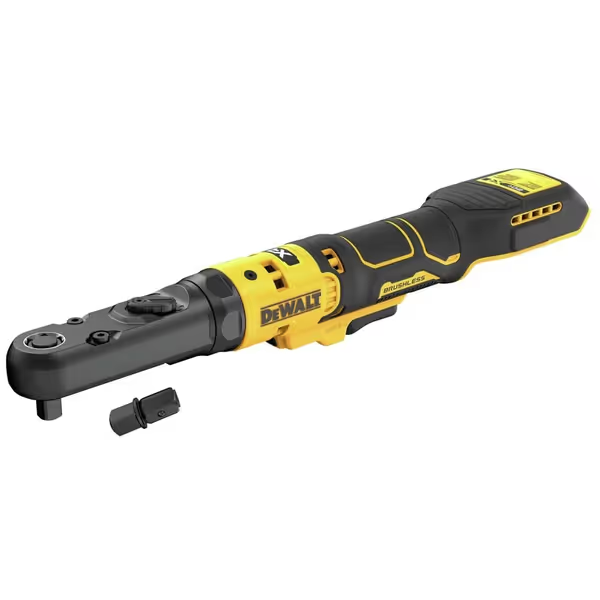
DEWALT 20V MAX XR Cordless Ratchet
Effortless fastening in tight spaces with quick anvil changes and powerful torque.
$209.99
Max Torque75 ft-lbs
Max Torque75 ft-lbs
Pros
Quickly swap 3/8" and 1/2" anvils.
Compact design ideal for tight spaces.
Brushless motor delivers consistent power.
Cons
Battery life can be inconsistent.
May struggle with extremely tough bolts.
Customers find this cordless ratchet to be a high-quality tool that gets the job done, particularly in tight spaces like wheel wells, with plenty of torque for light auto repairs.
Customers find this cordless ratchet to be a high-quality tool that gets the job done, particularly in tight spaces like wheel wells, with plenty of torque for light auto repairs.
The same principle applies to understanding your drill's health. You don't need complex data analysis; just knowing when your tool is stressed helps you make better decisions. Start simple:
- Notice the warning signs: Does your drill consistently slow down when driving certain screws? Does it shut off unexpectedly during demanding tasks?
- Check your settings: Set the clutch before the screw (this simple habit prevents motor strain and gives cleaner feedback about what's happening).
- Track performance patterns: When does your drill overheat? Is it always with certain materials or bit types?
These small observations form the foundation of practical predictive maintenance for everyday users.
Practical AI Troubleshooting for Common Drill Problems
You don't need a data science degree to benefit from smart tool analytics. Here's how to apply basic diagnostic thinking to frequent drill issues: If a failure already happened, use our drill troubleshooting guide for quick fixes before you resume.
When Your Drill Overheats Mid-Project
Instead of just waiting for it to cool down and hoping for the best:
If your drill shuts down from overheating during a long installation session, it's not "broken" (it's giving you critical feedback about workload mismatch).
- Check your drill performance monitoring: Many modern tools have built-in thermal indicators. Learn what they mean in your specific model.
- Adjust your technique: Take breaks during sustained use, and allow air circulation around the tool.
- Verify your setup: Are you using the right bit? Is the clutch properly set for the material?
When Battery Runtime Seems Unpredictable
Instead of guessing how many cabinets you can install per charge:
- Track your actual usage: Note how many identical screws your drill drives before slowing down.
- Consider environmental factors: Cold weather significantly reduces lithium-ion performance; see our battery temperature care guide for safe charging and storage.
- Use battery health data: Many smart battery systems now show remaining capacity and cycle health.
Choosing Tools That Grow With Your Skills
When selecting your next drill platform, look beyond raw power numbers. Smart beginners prioritize tools that provide actionable feedback over maximum torque specs. Platforms with built-in performance monitoring help you understand your tool's limits before you hit them.
The right tool doesn't just complete today's project. It teaches you how to succeed at tomorrow's.
Platforms offering clear performance indicators (like temperature warnings or load indicators) help you recognize when to adjust your technique rather than pushing a tool beyond its limits.
Many modern ratchets like the DEWALT 20V MAX XR incorporate sealed heads and brushless motors that reduce maintenance needs while providing smoother performance feedback. These design features indirectly support predictive maintenance by minimizing unexpected failures from contaminants or motor strain.
Making AI Diagnostics Work for Your Projects
Implementing predictive drill maintenance doesn't require expensive add-ons or complicated software. Start with these practical steps:
Build Your Simple Diagnostic Checklist
Before each project, take 30 seconds to:
- Check battery health indicators.
- Verify clutch setting matches your task.
- Inspect bits for wear (dull bits make your drill work harder).
- Ensure vents are clear of dust and debris.
Track Your Tool's "Health" Visually
Create a simple log (even just notes in your phone) tracking:
- Projects completed.
- Any unusual behavior (overheating, slowing down).
- Battery performance trends.
Over time, you'll spot patterns that help you anticipate issues before they stop your work.
Safety First: How Predictive Insights Prevent Accidents
Unexpected tool failures aren't just inconvenient; they're dangerous. A drill that suddenly loses power during overhead work can cause falls or dropped materials. Smart diagnostics help prevent these scenarios by:
- Providing early warnings before catastrophic failure
- Helping you recognize when a tool is being pushed beyond safe limits
- Encouraging proper technique through performance feedback
Whenever you feel your drill struggling, pause and reassess. Is the bit appropriate? Is the clutch setting correct? Is the battery fully charged? These small checks build safety habits alongside technical skills.
The Real Power of Predictive Drill Maintenance
The true value isn't just in avoiding breakdowns (it's in the confidence that comes from understanding your tools). When you can anticipate issues before they derail your project, you tackle each new task with more assurance.
Predictive maintenance transforms your relationship with power tools from reactive frustration to proactive control. You stop wondering "will this work?" and start planning "how will I make this work best?"
Ready to Explore Further?
Want to dive deeper into choosing tools with smart diagnostics? Start by researching which current platforms offer the clearest performance feedback for beginners. Look for manufacturer resources that explain what their tool's indicators mean in practical terms (not just technical specifications).
Remember my neighbor's breakthrough moment wasn't about having the most advanced drill (it was about understanding the one he had well enough to use it correctly). That same principle applies to predictive maintenance: small, consistent insights build the confidence to tackle bigger projects. Start simple, track your observations, and let your tools teach you as you work.
Related Articles